Case Studies
Tradition isn't kept in a box. It's practised, out loud.
The Tuyang Initiative works with Kayan, Kenyah and other Dayak cultural practitioners to keep Indigenous knowledge alive — on stage, at festival, and in business — led by the communities who hold it.
Three programmes. One question running through all of them: how does traditional knowledge stay relevant without losing its roots? KELUNAN answers it on stage. IXF answers it through exchange. RUANG answers it through enterprise.
Quick Facts Strip
3
days of exchange at IXF each edition
16
cultural entrepreneurs trained through RUANG
6
regions represented, from Ba' Kelalan to Kapit
3
programmes: performance, festival, enterprise
The challenge
Oral tradition depends on direct contact between generations. As those chances shrink and outside interpretations fill the gap, practitioners need a platform that lets them tell their own stories, on their own terms.
The approach
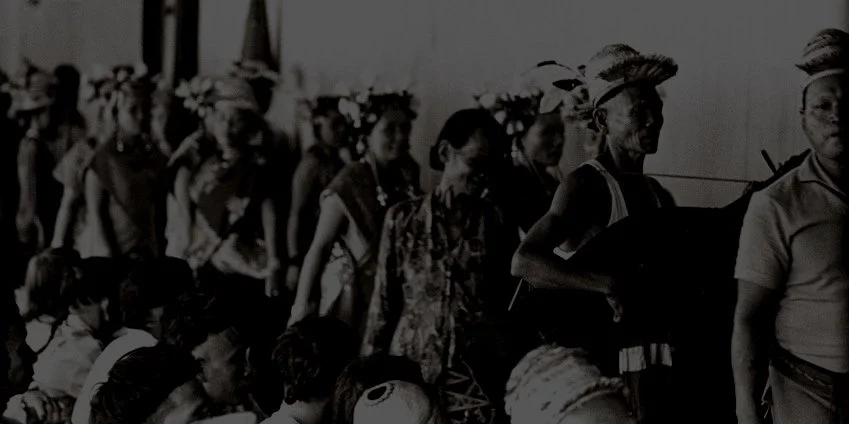
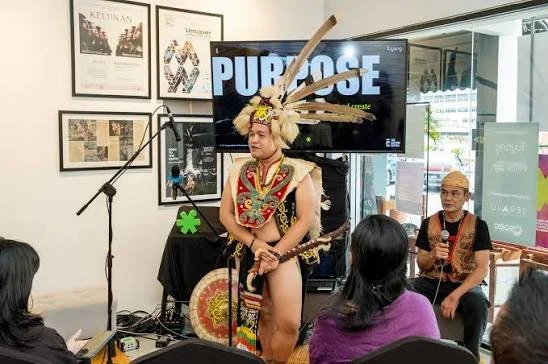
Cross-generational practitioners share one stage — age-old singing-storytelling, traditional dance and ancestral instruments, staged for a contemporary audience without flattening it into spectacle.
What it carries
Love for ancestors, for community, for homeland — expressed through song, movement and story, showing how Indigenous knowledge holds values and memory across time.
01 /
Performance — KELUNAN
“People,” in the Kenyah and Kayan languages
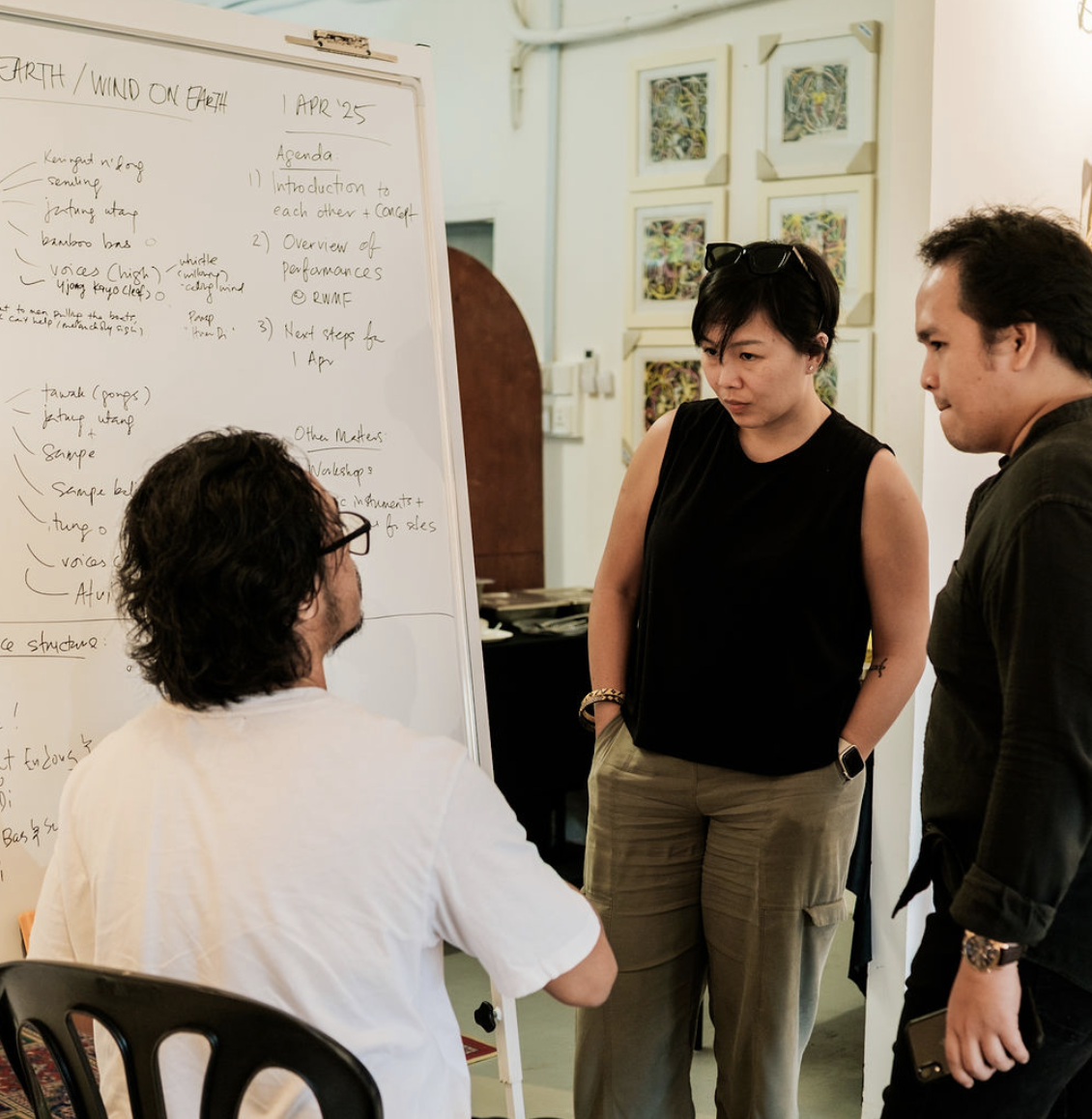
A multidisciplinary musical theatre bringing Kayan and Kenyah poetic storytelling, dance, live traditional music and ancestral instruments to a contemporary stage — built around the universal theme of love.
Featured practitioners
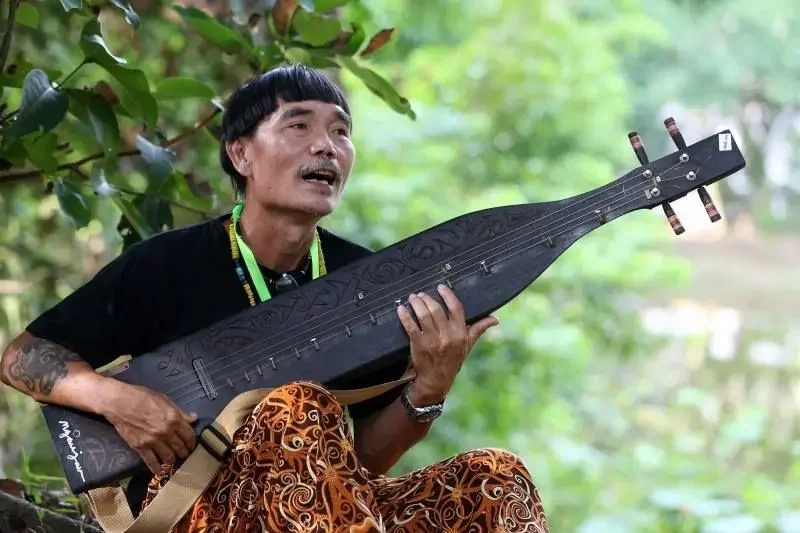
Mathew Ngau Jau — Kenyah cultural practitioner, Malaysia's Living National Heritage, carrying forward traditional Kenyah musical knowledge.
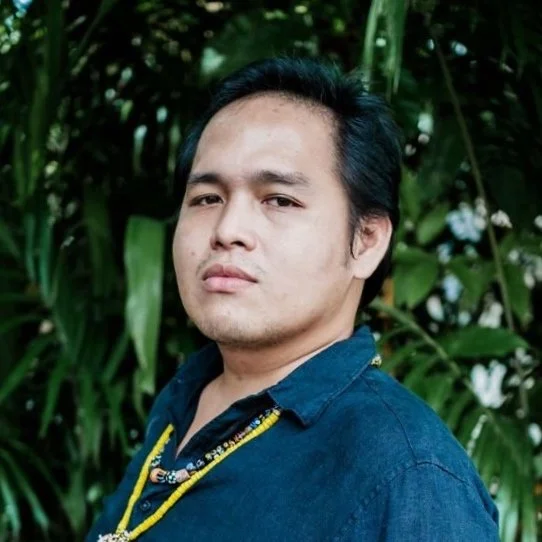
Adrian Jo Milang — Kayan cultural practitioner, one of the youngest keepers of the Parap and Takna' oral traditions, proof that the next generation is already inheriting the craft.
The challenge
Seasonal festivals and tourism programming give Indigenous culture visibility, but rarely leadership. IXF asks: how do communities build a platform where they define how their own stories get told?
What happens over three days
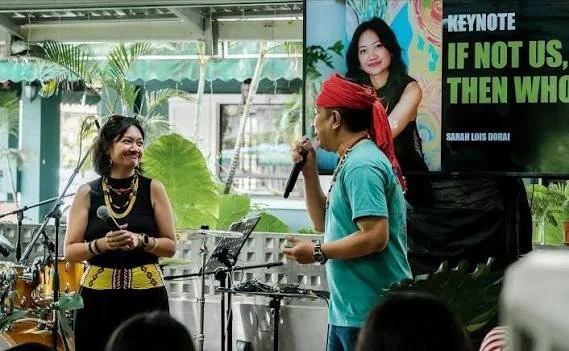
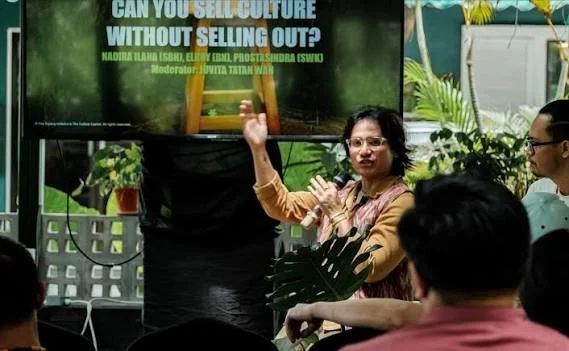
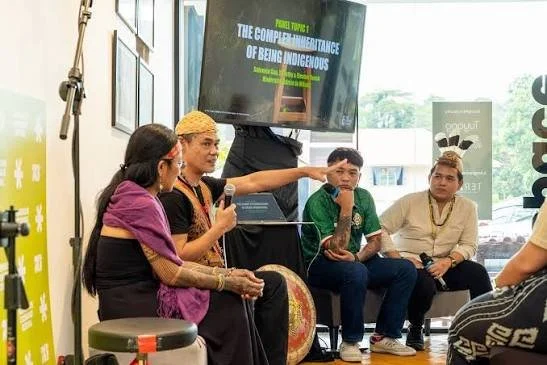
Live music and dance, visual arts, film screenings, fireside conversations, traditional tattoo demonstrations, storytelling, workshops, and a traditional Tamu market — built for participation, not just attendance.
Who shows up
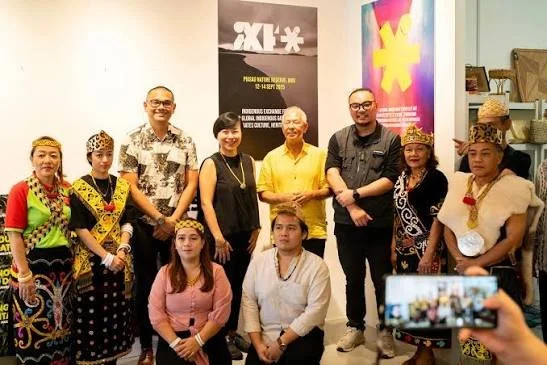
Established custodians like Mathew Ngau Jau alongside emerging voices — Eko Supriyanto (Indonesia), Yosifu Kacaw (Taiwan), Velvet Aduk, and filmmakers Nadira Ilana and Sarah Lois Dorai.
Beyond the stage
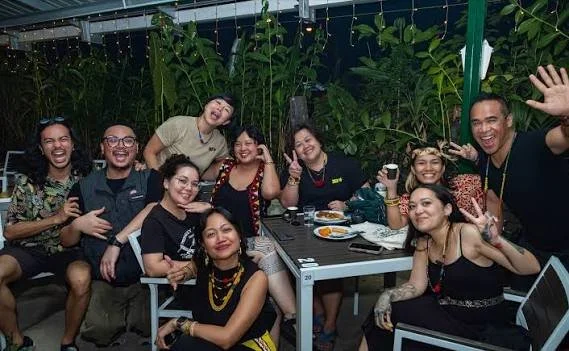
Visitors learn directly from practitioners, join conversations on identity and heritage, and meet Indigenous entrepreneurs — turning appreciation into exchange.
A regional meeting point
IXF positions Borneo as a hub for Indigenous exchange across Asia-Pacific, building relationships between communities that outlast the festival itself.
02 /
Exchange — IXF
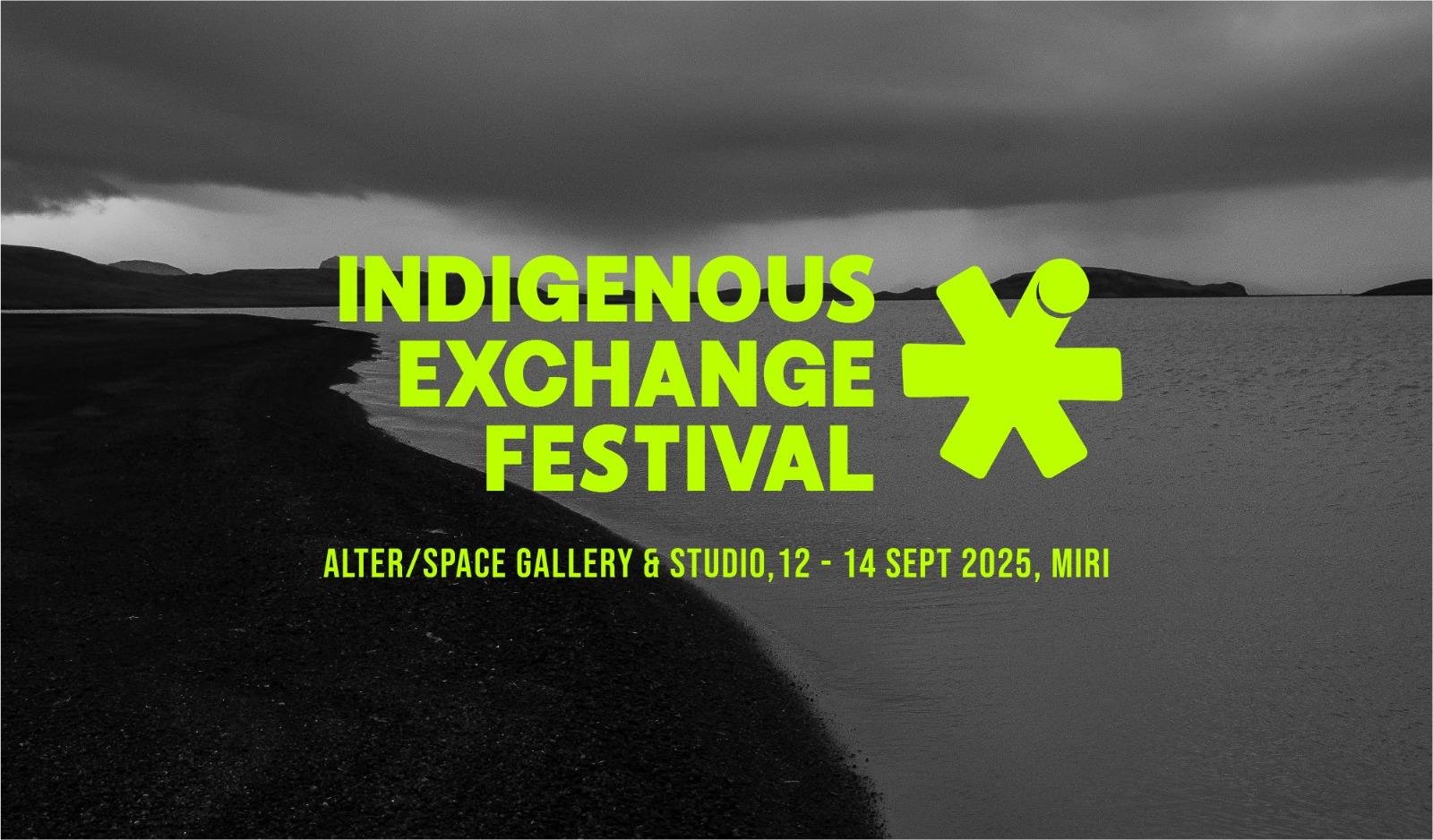
The Indigenous Exchange Festival 2026
Three days where Indigenous artists, practitioners, storytellers and academics from Borneo and around the world gather to shape the conversation about their own culture — not just perform it.
The challenge
Generations of knowledge in crafts, food, textiles and natural products carry real cultural value — but limited branding, market access and mentorship keep many businesses small.
What's taught
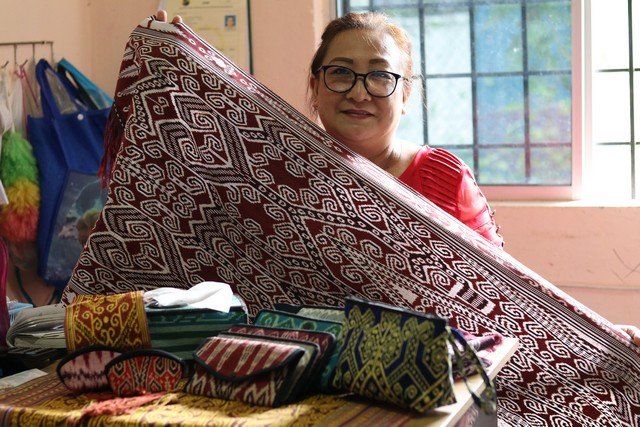
Brand identity and storytelling, product development, packaging, market positioning and business strategy — worked through hands-on, alongside peers rather than in a one-size-fits-all course.
03 /
Enterprise — RUANG
Malay for “space”
A capacity-building programme that gives Indigenous cultural entrepreneurs the branding, business and market skills to grow — without asking them to trade authenticity for reach.

Who's in the room
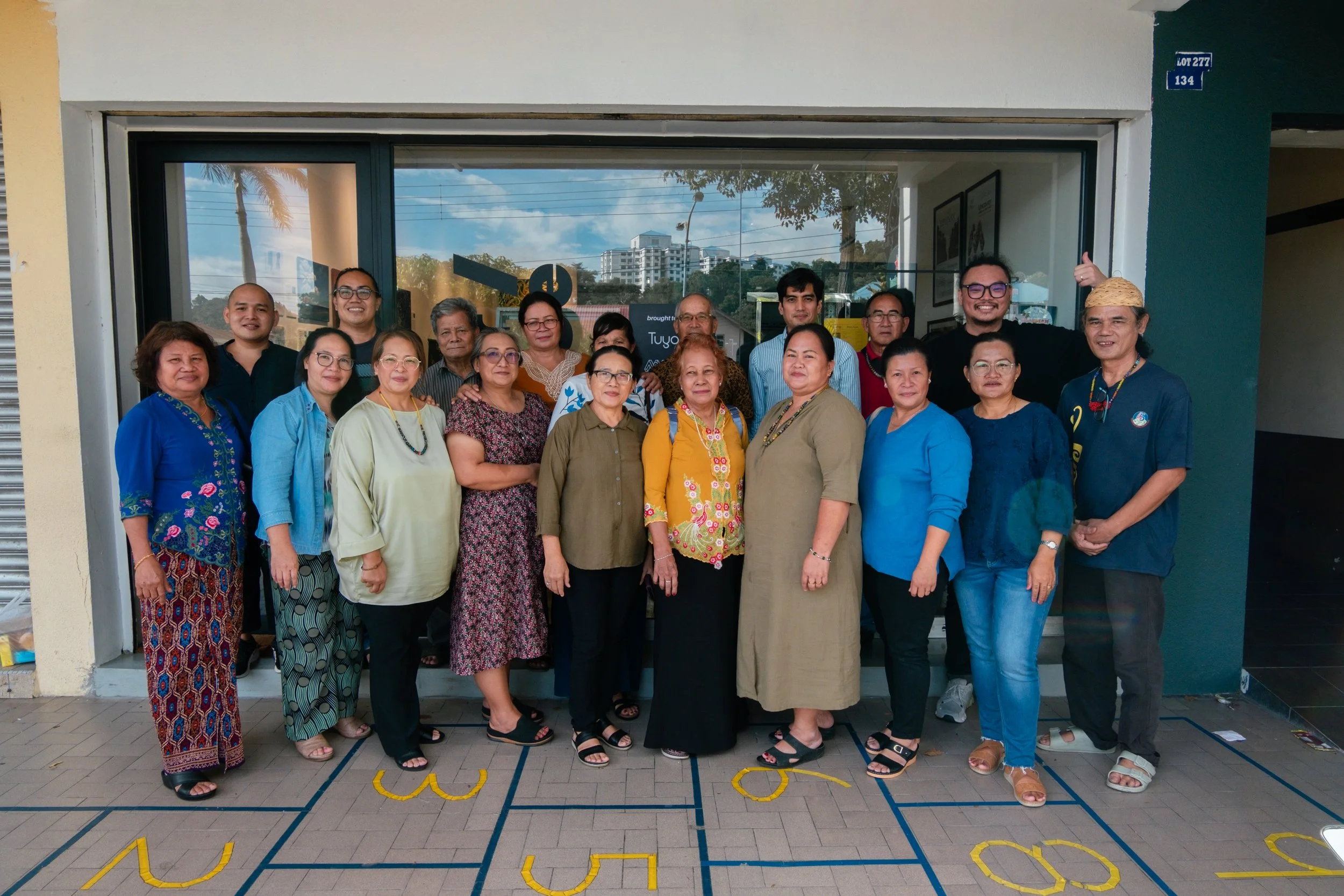
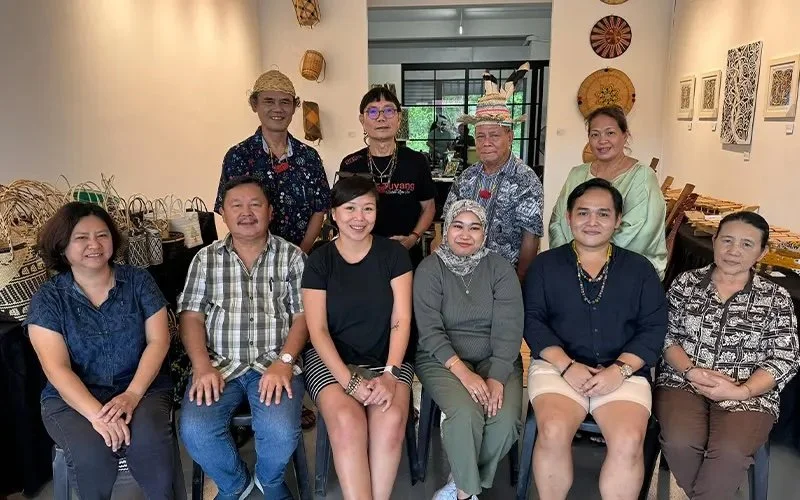
16 practitioners from Ba' Kelalan, Baram, Belaga, Kapit, Dalat and Mukah — working in traditional foods, natural dyes, beadwork, weaving and heritage-inspired design.
Cultural identity stays central
The programme helps practitioners communicate the meaning already built into their work, rather than reshaping products to fit an outside market.
A community, not a cohort
Participants exchange feedback and build networks that continue well after the programme ends — growing together instead of in isolation.