
The Girl Who Became the Ruai Bird
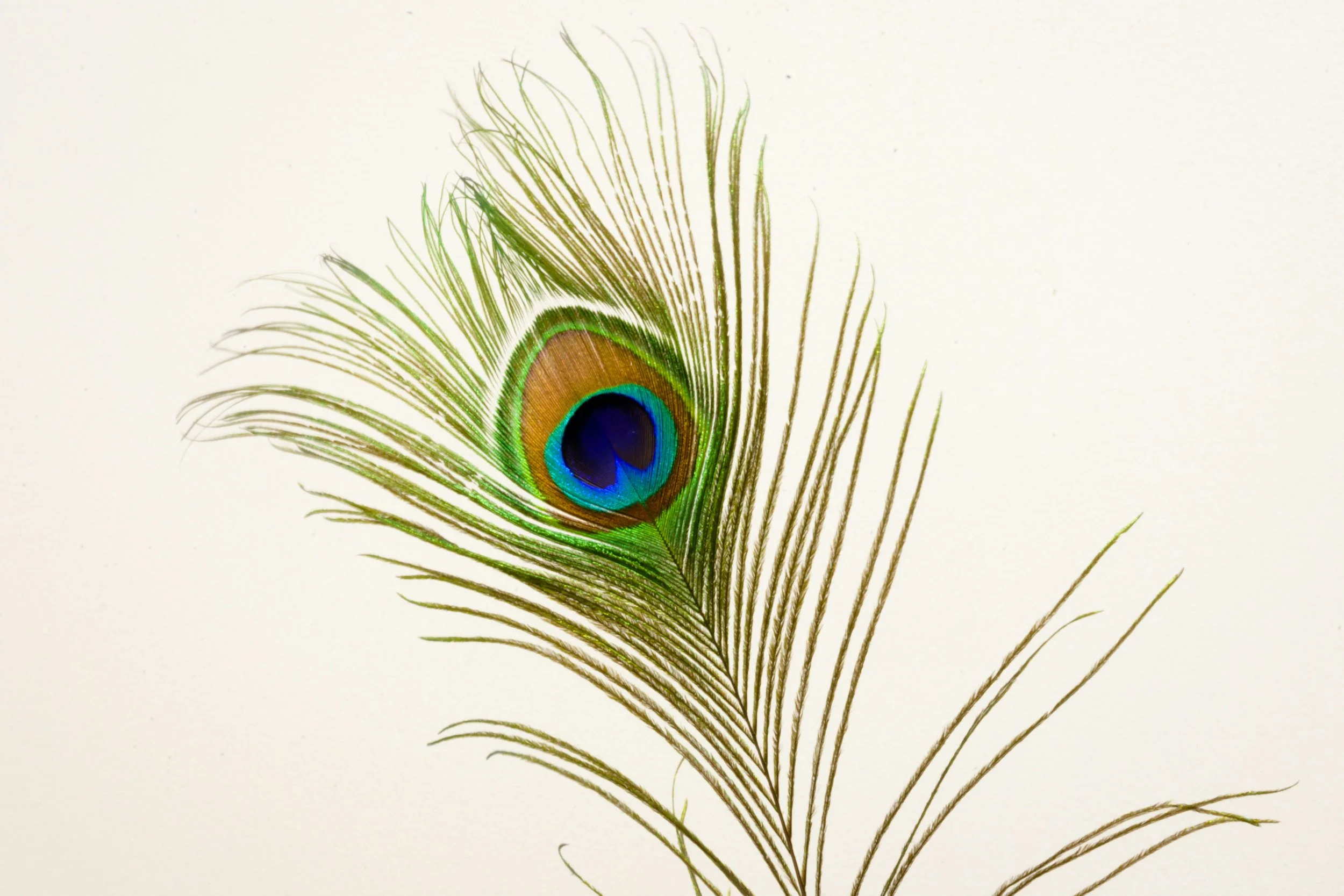
Deep in the forests of West Kalimantan, where rivers wind through ancient hills and stories travel from one generation to the next, there lives a tale about beauty, kindness, and quiet resilience. It is the story of the Ruai bird—known for its striking feathers and haunting call—and the young girl who became it.
Long ago, at the foot of Mount Ruai, there stood a small but prosperous kingdom. Its ruler was a wise and just king, beloved by his people. He had seven daughters, each known for her beauty. But among them, the youngest shone differently—not just in appearance, but in heart.
She was gentle, helpful, and kind to everyone she met. While her sisters were often impatient and prideful, the youngest daughter carried herself with humility. The king saw this clearly. He trusted her, praised her, and eventually chose her to lead the kingdom during his absence.
But admiration can sometimes plant the seeds of jealousy.
Her six older sisters, consumed by envy, could not accept their father’s decision. They resented the youngest—not only for her kindness, but for the love she received. Their bitterness grew quietly, until one day, it turned into something far darker.
They invited their younger sister on what seemed like a simple outing—to gather fish near a cave hidden deep in the forest. Trusting and unsuspecting, she followed them. The cave was cool and shadowed, with streams running through its depths. But as she stepped further inside, something changed.
Her sisters disappeared.
Left alone in the darkness, the young princess called out, her voice echoing against stone. No one answered. Fear crept in. Then sorrow. And finally, tears.
It was in that moment—at her most vulnerable—that help arrived.
An old man, said to be the guardian of the cave, heard her cries. He approached her not with fear, but with compassion. Seeing her suffering, he offered a strange but powerful gift: freedom from pain, in exchange for transformation.
“You will become a bird,” he told her, “and your tears will become eggs—new life to keep you company.”
And so, it was.
Her tears fell and turned into eggs. Her body changed, her arms becoming wings, her voice becoming song. She transformed into the Ruai bird, radiant and free, her feathers reflecting the beauty she once carried as a princess.
No longer trapped, she flew out of the cave and into the forest canopy.
From the branches high above, she watched the world she once belonged to. She saw her father return and discover the truth. She saw justice unfold for the sisters who had wronged her. But she did not return.
Instead, she remained in the forest—no longer a princess of a kingdom, but a guardian of the wild.
To this day, people in West Kalimantan say that the Ruai bird is more than just a creature of the forest. It is a reminder.
A reminder that kindness does not always go untested. That envy can destroy what it cannot understand. And that even in the darkest places—deep within caves, or within human hearts—there is always the possibility of transformation.
Among local communities, the Ruai bird is admired not only for its beauty, but for its cultural significance. Its feathers are used in traditional adornments, carrying echoes of this ancient story into the present day.
And when its call rings through the forest, some say it is not just a bird singing—
but a story, still being told.